Why Upholstery Care Matters
Quality upholstery represents a significant investment — a good sofa can cost anywhere from £800 to several thousand pounds. With proper care, upholstered furniture can look beautiful for 10-15 years. Without it, even expensive pieces can look tired and worn within just a few years. Professional upholstery cleaners across Sussex share their expertise on maintaining different fabric types and extending your furniture's life.
Understanding Your Upholstery Fabric
Care Label Codes
Always check the manufacturer's care label before attempting any cleaning. These standard codes tell you what's safe to use:
- W (Water): Water-based cleaning solutions are safe. Most common on modern synthetic fabrics
- S (Solvent): Use solvent-based or dry-cleaning products only. Water can cause marks and shrinkage
- WS (Water or Solvent): Either type of cleaner is acceptable
- X (Professional only): Do not attempt cleaning yourself. Vacuum only and call a professional for stain treatment
Common Fabric Types in Sussex Homes
- Cotton and linen: Durable and accept most cleaning methods. Common in traditional Sussex homes. May shrink if over-wet
- Wool and wool blends: Require gentle, pH-neutral cleaners. Avoid hot water and harsh chemicals
- Synthetic fabrics (polyester, nylon, microfibre): Generally hardy, stain-resistant, and easy to clean. The most forgiving fabrics for families with children and pets
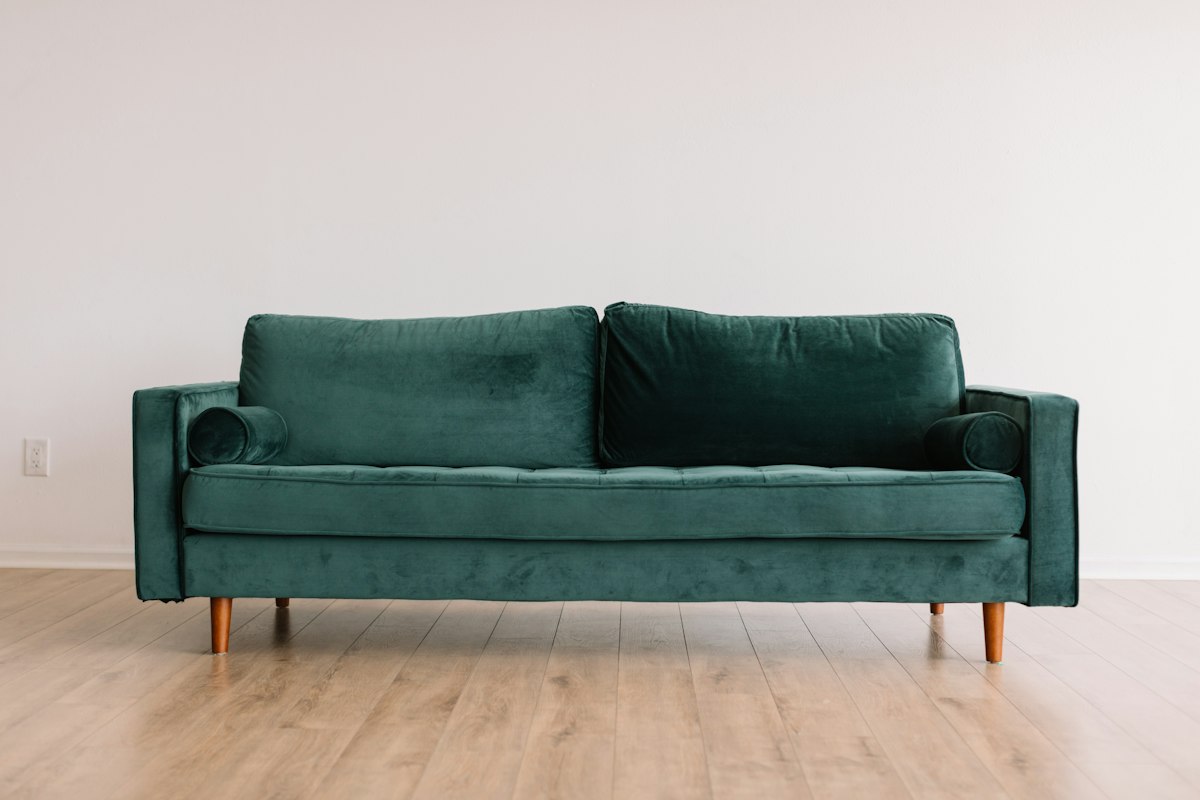
- Velvet: Beautiful but requires careful maintenance. Always brush in the direction of the pile
- Leather: Requires completely different care from fabric — never use fabric cleaning products on leather
Daily and Weekly Maintenance
Consistent basic care prevents the need for frequent deep cleaning:
- Vacuum weekly using the upholstery attachment with reduced suction to avoid pulling fabric
- Rotate and flip cushions every week to ensure even wear and prevent permanent body impressions
- Keep furniture away from direct sunlight — UV rays fade fabric colours. Sussex's south-facing rooms are particularly vulnerable during summer
- Use arm covers and throws on areas of heaviest use, such as armrests and headrests
- Brush pets' favourite spots daily to prevent hair from embedding in fabric
- Address spills immediately — the first 30 seconds are crucial for preventing permanent staining
Professional Stain Removal Techniques
Immediate Response Protocol
- Blot (never rub) liquid spills immediately with a clean white cloth or kitchen paper
- Remove solid matter carefully with a spoon or blunt knife — scrape towards the centre to contain the spill
- Work from the outside of the stain toward the centre to prevent spreading
- Test any cleaning solution on a hidden area (back of cushion, underside of furniture) and wait 10 minutes before proceeding
- Use clean white cloths only — coloured or patterned cloths can transfer dye to your upholstery
- Apply cleaning solution to the cloth, not directly to the fabric, to control moisture
Common Stain Solutions
- Food and drink: Mild solution of washing-up liquid in cold water, applied sparingly with a cloth
- Grease and oil: Sprinkle cornstarch or bicarbonate of soda immediately to absorb. Leave 30 minutes, then vacuum
- Ink: Rubbing alcohol (isopropyl) applied with a cotton swab. Work carefully to avoid spreading
- Red wine: Blot immediately, apply salt to absorb, then treat with cold soda water
- Pet accidents: Enzyme-based cleaners are essential — they break down proteins that cause both the stain and lingering odour
- Chocolate: Allow to harden, scrape off carefully, then treat the residual mark with mild detergent solution
Deep Cleaning Methods
Steam Cleaning
Professional steam cleaning is the most effective method for most fabric upholstery:
- Deep penetration removes embedded dirt, allergens, and bacteria
- Kills dust mites — critical for allergy sufferers, and Sussex's older properties with original upholstered furniture are prime dust mite habitats
- No harsh chemical residues left behind
- Effective on most fabric types (check care label first)
- Faster drying than traditional wet cleaning methods
Dry Cleaning Method
Better for delicate or vintage fabrics:
- Uses minimal moisture — important for fabrics that shrink or watermark
- Faster drying times
- Suitable for antique pieces common in period Sussex homes
- Less risk of shrinkage or colour running
Leather Upholstery Care
Leather requires its own dedicated maintenance routine:
- Dust weekly with a slightly damp microfibre cloth
- Clean spills immediately — leather absorbs liquids quickly
- Condition leather every 6-12 months with a quality leather conditioner to prevent drying and cracking
- Keep leather away from direct heat sources (radiators, fireplaces) and sunlight
- Never use furniture polish, baby wipes, or all-purpose cleaners on leather — use leather-specific products only
Preventing Upholstery Damage
- Maintain consistent indoor humidity between 40-60% — central heating in winter and coastal humidity in summer can both cause damage
- Use blinds or curtains to block UV rays, especially on south and west-facing windows
- Ensure good air circulation around furniture — avoid pushing pieces tight against walls
- Keep pets' claws trimmed to prevent snagging and scratching
- Use furniture coasters under heavy items to prevent carpet indentations that transfer pressure to furniture legs
When to Call Professionals
Professional upholstery cleaning is recommended every 12-24 months for regularly used furniture, or sooner after significant staining. For antique, expensive, or delicate pieces, always seek professional advice before attempting any cleaning yourself. Browse our Sussex cleaning directory to find experienced local upholstery cleaning specialists.
Share this article
Professional content writer specialising in cleaning industry insights and home maintenance tips for Sussex homeowners.