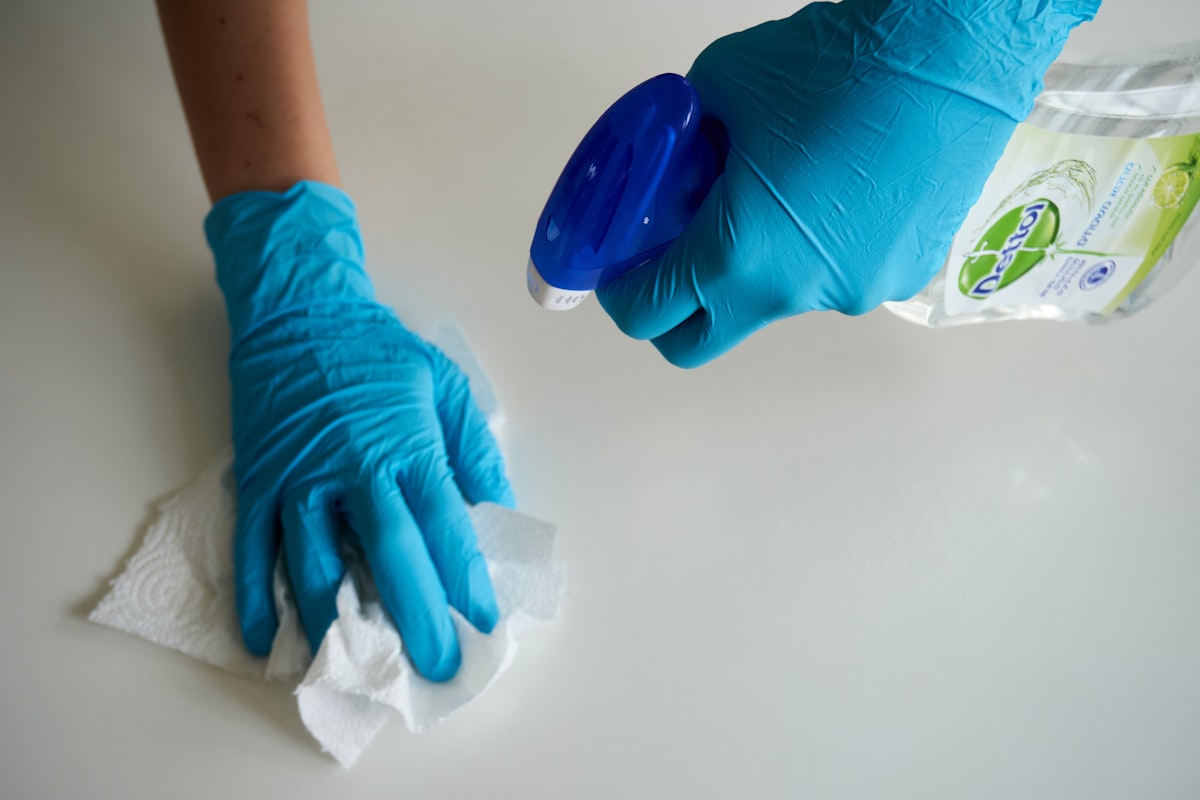
The Rise of Green Cleaning
Environmental consciousness has driven a significant shift in how Sussex households approach cleaning. Gone are the days when "green" cleaning meant compromising on effectiveness. Modern natural cleaning products and methods rival traditional chemicals in their ability to tackle dirt, grease, and bacteria — often outperforming them while being safer for your family and the environment.
This matters particularly in Sussex, where our proximity to the South Downs National Park, Areas of Outstanding Natural Beauty, and the English Channel coastline makes environmental responsibility not just admirable but essential for protecting the landscapes we love.
Essential Green Cleaning Ingredients
The most effective natural cleaners are probably already in your kitchen cupboard. Understanding what each ingredient does best helps you use them effectively:
- White vinegar — The workhorse of green cleaning. Its acetic acid cuts through grease, dissolves limescale (particularly useful in Sussex's hard water areas), and kills many common bacteria. Best for: glass, kitchen surfaces, bathroom fixtures, limescale removal.
- Bicarbonate of soda — A gentle abrasive that also neutralises odours and absorbs moisture. Creates a powerful reaction when combined with vinegar. Best for: ovens, sinks, stained mugs, deodorising carpets and fridges.
- Lemon juice — Natural antibacterial and bleaching properties with a fresh citrus scent. The citric acid cuts through grease effectively. Best for: microwave cleaning, chopping board sanitisation, brass and copper polishing.
- Castile soap — A plant-based soap (traditionally made with olive oil) that's gentle yet effective for numerous cleaning tasks. Best for: floors, general surfaces, hand washing delicates.
- Essential oils — Tea tree provides antibacterial properties, eucalyptus cuts grease, lavender adds pleasant fragrance, and peppermint naturally deters spiders and ants.
Multi-Purpose Green Cleaner Recipe
This all-purpose spray replaces most commercial surface cleaners:
Mix 500ml warm water, 125ml white vinegar, 60ml lemon juice, and 10-15 drops of tea tree essential oil in a spray bottle. Shake well before use. This solution cleans and disinfects most hard surfaces effectively.
Important: Do not use vinegar-based solutions on natural stone (marble, granite, travertine) or unsealed grout, as the acid can cause etching and damage.
Natural Fabric Softener
Replace commercial fabric softener — which often contains chemicals that coat fibres and can irritate sensitive skin — with 125ml white vinegar added to your washing machine's rinse cycle. Despite what you might expect, clothes come out completely odour-free, feeling soft, and with better absorbency than chemically softened fabrics.
For a pleasant scent, add 5-6 drops of lavender essential oil to the vinegar before adding to the rinse cycle.
Eco-Friendly Bathroom Cleaner
Combine equal parts bicarbonate of soda and liquid castile soap to create a thick paste. Apply to baths, sinks, tiles, and toilets with a cloth or brush. Leave for 10 minutes, then scrub and rinse. The bicarbonate provides gentle abrasion while the castile soap cuts through soap scum and body oils.
For limescale — the bane of bathrooms in Crawley, Horsham, and much of West Sussex — wrap vinegar-soaked cloths around affected taps and shower heads. Leave for an hour (or overnight for heavy buildup), then scrub with an old toothbrush.
Green Floor Cleaner
For hard floors (tile, vinyl, laminate), mix 125ml white vinegar with 4 litres warm water. For wooden floors, reduce the vinegar to 60ml per 4 litres to protect the finish, and never leave excess water on the surface. Add a few drops of essential oil for fragrance if desired.
For a deeper clean, add a tablespoon of castile soap to the bucket. Mop in sections, wringing the mop thoroughly to avoid excess moisture.
Natural Oven Cleaner
Mix bicarbonate of soda with enough water to form a thick paste. Spread evenly inside the oven, avoiding heating elements. Leave overnight — the paste will absorb grease and loosen baked-on food. The next day, spray with white vinegar (it will fizz satisfyingly), then wipe clean with damp cloths. This method works as well as commercial oven cleaners without the harsh fumes.
Plant-Based Commercial Options
If you prefer the convenience of ready-made products, numerous brands now offer certified eco-friendly cleaning ranges. Look for certifications like EU Ecolabel, Leaping Bunny (cruelty-free), and Soil Association Organic. Many Sussex health food shops and zero-waste stores offer refill stations where you can top up bottles with eco-friendly cleaning products.
Making the Switch
Transition gradually by replacing conventional products as they run out. Start with the all-purpose spray — it's the product you'll use most frequently, so you'll see the biggest impact immediately. As you become comfortable with natural cleaning, expand to bathroom, kitchen, and laundry products.
Many professional cleaning companies in Sussex now offer eco-friendly cleaning as standard or on request. If you hire a cleaner, ask about their green cleaning options — you may be pleasantly surprised by how many have already made the switch.
The Science Behind Natural Cleaning
Understanding why natural ingredients work helps you use them more effectively. Vinegar's acetic acid disrupts the cell membranes of many bacteria and dissolves mineral deposits through a chemical reaction with alkaline limescale. Bicarbonate of soda works as both a mild abrasive (its crystalline structure is softer than most surfaces, so it cleans without scratching) and a deodoriser (it neutralises both acidic and alkaline odour molecules rather than masking them with fragrance).
Tea tree oil's antibacterial properties have been scientifically validated — studies show it's effective against common household bacteria including E. coli and Staphylococcus aureus. Lemon juice contains citric acid, which has both antibacterial and mild bleaching properties, plus limonene, which effectively dissolves grease and oil-based soils. Armed with this knowledge, you can confidently replace chemical products knowing that natural alternatives are backed by genuine science.
Tags
Share this article
Professional content writer specialising in cleaning industry insights and home maintenance tips for Sussex homeowners.